
Road signs are a universal language of safety — yet they are not truly universal. While the purpose of road signs remains consistent worldwide (guiding, warning, and regulating drivers), their design, colors, shapes, and symbols vary significantly across countries.
Understanding these global differences is essential for international drivers, expats, tourists, and commercial transport professionals.
Why Road Signs Differ Around the World
Road signage systems are influenced by:
-
Historical conventions
-
Regional treaties
-
Driving side (left vs. right)
-
Language and cultural factors
-
Climate and road infrastructure
Two major international systems shape most road signs:
-
The Vienna Convention on Road Signs and Signals (used widely in Europe, Asia, Africa)
-
The MUTCD system (primarily used in the United States)
Even with international agreements, countries adapt signs to local needs.
1️⃣ Warning Signs: Shape & Color Differences
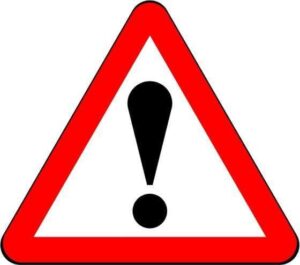
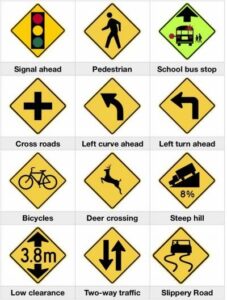
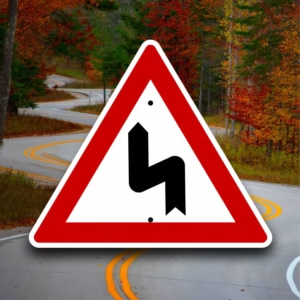
Europe & Many Asian Countries
-
Red-bordered triangle
-
White background
-
Black symbol
United States
-
Yellow diamond shape
-
Black symbol
United Kingdom
-
Similar to Europe (red triangle), but some symbols differ slightly
Practical Implication
If you’re used to yellow warning signs (like in the US), triangular red-bordered signs in Europe might not immediately trigger the same caution response. Recognition time matters in high-speed environments.
2️⃣ Speed Limit Signs: Numeric vs. Text-Based
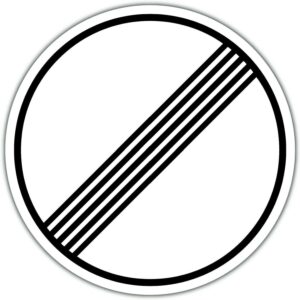
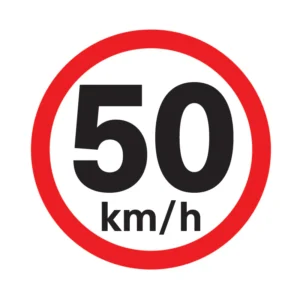
Europe & Middle East
-
Circular sign
-
Red border
-
Speed shown in km/h
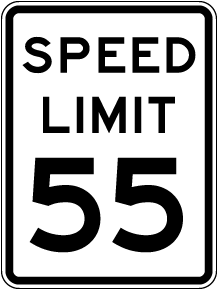
United States
-
White rectangular sign
-
Black text: “Speed Limit 55”
-
Speed in mph
Germany (Autobahn)
-
Some highways have advisory or no fixed limit
Practical Implication
Unit differences (km/h vs. mph) can cause serious misjudgment. Driving 60 mph instead of 60 km/h is a major speed violation.
3️⃣ Stop & Yield Signs: Mostly Standard — But Not Identical

Stop Sign
-
Most countries use a red octagon
-
Japan uses a red triangle with Japanese text
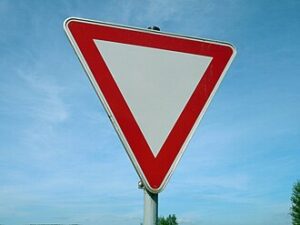
Yield Sign
-
Inverted red-and-white triangle (common globally)
-
Slight design differences in text and proportions
Practical Implication
Although generally recognizable, unfamiliar language text can delay reaction time for foreign drivers.
4️⃣ Unique Regional Signs
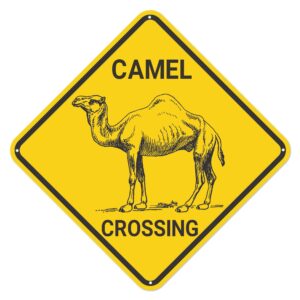
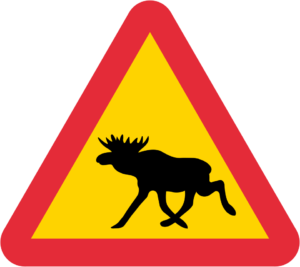
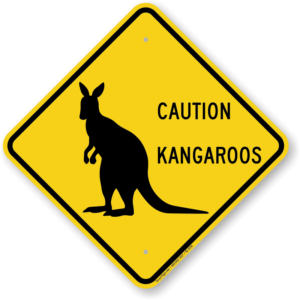
Different regions include wildlife and infrastructure-specific signs:
-
Australia: Kangaroo crossings
-
Sweden: Moose warnings
-
Middle East: Camel crossings
-
UK: Blue circular roundabout direction signs
Practical Implication
Drivers unfamiliar with regional wildlife signs may underestimate the risk. Animal collision risks are significant in rural areas.
Left-Side vs. Right-Side Driving Impact
Countries like the UK, Japan, and Australia drive on the left side, while most of the world drives on the right.
This affects:
-
Sign placement
-
Roundabout direction arrows
-
Exit signage positioning
Drivers switching systems often struggle more with lane discipline than with sign meaning.
Language & Symbol Differences
Some countries rely more on symbols, while others use text.
-
The US uses more written instructions.
-
Europe emphasizes symbol-based signs.
-
Some Asian countries combine symbols and local language text.
Symbol-based systems reduce language barriers, making international travel safer.
What This Means for International Drivers
If you are:
-
An expat
-
A tourist renting a vehicle
-
A commercial driver
-
Preparing for a foreign driving license
You must study local road signage before driving.
Small visual differences can lead to:
-
Traffic fines
-
License penalties
-
Accidents
-
Insurance issues
Final Thoughts
Road signs may look different across countries, but their core purpose remains the same: keeping drivers safe and traffic organized.
Understanding global variations isn’t just about passing a driving test — it’s about adapting quickly and driving responsibly in unfamiliar environments.
The better you understand international signage systems, the safer and more confident you’ll be behind the wheel — anywhere in the world.